Periodic Element 2 He Helium Applique: Stitching Science into Fabric
There is something quietly satisfying about wearing your curiosity on your sleeve, quite literally. The Periodic Element 2 He Helium Applique brings the clean logic of the periodic table into textile art, offering a design that is both educational and decorative. For science enthusiasts, educators, and makers who love precision, this machine embroidery design captures the essence of element number two — Helium — inside a tidy applique rectangle. It is not merely a stitch pattern; it is a statement about how we carry knowledge into everyday life.
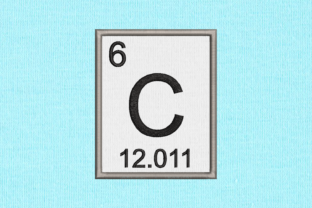
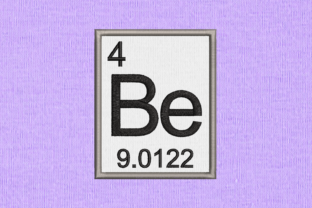
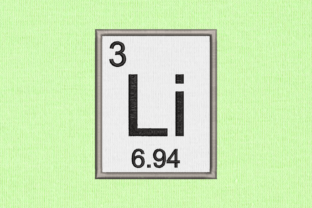
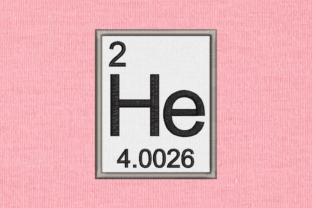
This design does more than mark fabric. It bridges two worlds that rarely intersect: the systematic beauty of chemistry and the tactile craft of embroidery. The layout includes the element symbol He, the atomic number 2, and the atomic mass units, arranged in the familiar periodic table block format. When stitched onto a bag, lab coat, tote, or jacket, it quietly signals a fascination with the natural world. And in an era where personalization and niche interests increasingly define how we express identity, this design fits naturally into a broader shift toward meaningful, handmade goods.
The Growing Appeal of Science-Themed Embroidery
Over the past decade, the line between STEM culture and craft culture has blurred. Science-themed apparel, home decor, and accessories have moved from niche Etsy finds to mainstream retail. But machine embroidery offers something mass production cannot: the chance to create a one-of-a-kind piece that reflects an individual's specific interests. The Periodic Element 2 He Helium Applique sits squarely at this intersection, appealing to teachers who want custom classroom gear, researchers who enjoy subtle nods to their field, and hobbyists who simply love the symmetry of the periodic table.
What makes this design particularly relevant is how it plays into current trends around personalized learning and handmade authenticity. Parents and educators are increasingly seeking ways to make subjects like chemistry tangible and visible. A stitched Helium block on a notebook cover or backpack becomes a conversation starter. It invites questions: Why atomic mass 4.0026? Why is Helium a noble gas? For a child learning the elements, that small piece of fabric can anchor a memory. For an adult, it might simply be a reminder of the elegance underlying the physical world.
Moreover, the applique format itself aligns with a broader appreciation for craftsmanship and slow making. In a time when fast fashion and disposable goods dominate, choosing to embroider a design — cutting fabric, layering it, stitching it down — is a deliberate act. It values process over speed. The Periodic Element 2 He Helium Applique respects that ethos by providing a design that is both precise and versatile, suitable for projects that take time and care.
Understanding the Design: What You Get in the File Package
Anyone who has worked with machine embroidery knows that file compatibility and sizing can make or break a project. This design addresses those practical concerns head-on. The package includes 9 file formats, covering the major embroidery machine brands and software platforms. Whether you use a Brother, Janome, Bernina, or a multi-format commercial machine, you will find a file that works. This eliminates the frustration of converting formats or searching for compatible files.
Beyond formats, the design offers 5 stitch sizes across 4 hoop sizes. This range is not arbitrary; it reflects the real diversity of embroidery projects. A small hoop might produce a 1.5-inch block perfect for a pen pocket or shirt cuff, while a larger hoop yields a 4-inch design that stands out on a tote or hoodie. Having options means you are not locked into a single scale. You can match the applique to the item, not the other way around.
The design file arrives in a single zip archive, keeping everything organized. Steps are separated by color changes, which is an important detail for anyone who has dealt with messy thread management. The instructions are clear: do not color sort or combine colors. This might seem counterintuitive to those used to optimizing multi-needle machines, but the separation is intentional. Each color change corresponds to a step in the applique process — placement, tack-down, trim, and final stitching. Following this sequence ensures the layers align correctly and the fabric applique sits flat.
For multi-needle machine users, the recommendation is to set the machine to stop for color changes. This lets you manually position the applique fabric, trim excess, and verify placement before the next stitch sequence begins. It is a workflow that prioritizes accuracy over speed, and for applique work, that trade-off is almost always worth it.
Practical Implications for Creators and Professionals
If you run a small embroidery business, teach sewing classes, or manage a maker space, the Periodic Element 2 He Helium Applique offers several practical advantages. First, the multiple stitch sizes let you offer customers options without needing to purchase several separate designs. One file pack covers lapel-sized patches, medium chest designs, and larger back-of-jacket placements. This flexibility reduces your design library clutter while expanding the range of products you can produce.
Second, the applique technique itself is material-efficient. Applique uses fabric for the main shape and thread only for edges and detail lines. Compared to a satin-stitch fill of the same size, applique consumes far less thread and runs faster. For a production setting, that translates to lower thread costs and shorter machine run times. For hobbyists, it means less tension fussing and fewer bobbin changes.
Third, the design's clean rectangular block format makes it easy to integrate into quilts, garment panels, or framed textile art. Educators creating periodic table quilts for classrooms can use this design as a building block, stitching multiple elements across a grid. The consistent rectangle shape ensures alignment and spacing remain uniform, which is critical when assembling a full set of elements.
How Users Can Get the Most Out of This Design
Your choice of base fabric matters. For the applique fabric itself, aim for something with a tight weave that will not fray excessively while you handle it. Cotton, cotton blends, and polyester twill work well. For the background fabric, consider the contrast. A navy or black background makes the white or light-colored applique pop, while a denim jacket offers a casual, rugged look that complements the scientific theme.
Stabilizer selection is equally important. A tear-away stabilizer works for most woven fabrics, but if you are stitching on knits or stretchy materials, use a cut-away stabilizer to prevent warping over time. Test a small sample first, especially if you plan to produce multiple units. The design's color-change steps make it easy to pause and check tension midway through the applique sequence.
For those using the design in a classroom or workshop setting, consider pairing it with a short lesson on Helium itself. The design becomes a teaching tool: stitch it, then discuss why Helium is lighter than air, why it is used in balloons and MRI machines, and why its atomic mass is not a whole number. The tactile experience of creating the applique reinforces the intellectual lesson. This dual-purpose use — craft plus education — is rare and valuable.
Why Helium? The Elemental Connection
Helium is an apt choice for an applique design. Its properties echo the qualities of good embroidery: lightness, stability, and a certain elegance. As a noble gas, Helium does not easily react with other elements. It stands apart. In the same way, a well-made applique stands apart from printed graphics or patches. It has texture, depth, and dimension. The Periodic Element 2 He Helium Applique mirrors its subject: clean, precise, and unobtrusive yet unmistakable.
Choosing Helium also reflects a broader trend in personalization: the preference for designs that carry inside meaning. A floral motif is lovely, but a periodic table block says something specific about the wearer's interests. It signals affiliation with science, with logic, with the beauty of the natural world. For professionals in chemistry, physics, engineering, or medicine, wearing a Helium applique is a subtle badge of identity. For students, it can be a proud marker of a field they are learning to love.
Adapting to Changing Habits in Craft and Commerce
Consumer expectations around customization have evolved. People no longer want generic products; they want items that reflect their values, interests, and personality. This shift has driven demand for bespoke embroidery designs that can be applied to everything from lab coats to lunch bags. The Periodic Element 2 He Helium Applique answers this need by being both specific enough to feel personal and versatile enough to suit many projects.
For small business owners, this design can be a niche product that stands out in a crowded marketplace. Science enthusiasts are a passionate audience. They actively seek merchandise that feels authentic and well-made. Offering a design like this — with professional file formats, multiple sizes, and clear step-by-step color changes — builds trust. It signals that you understand both the technical requirements of machine embroidery and the interests of your customers.
For educators and librarians, the design supports STEM engagement programs. A periodic table embroidery workshop combines manual skill with scientific literacy. Participants learn about an element while learning to use a machine. The finished product becomes a souvenir of that dual learning experience. It is the kind of activity that resonates across age groups, from middle schoolers to adult learners.
Final Thoughts on Stitching Science
The Periodic Element 2 He Helium Applique is more than a digital embroidery file. It is a convergence of education, craft, and personal expression. It reflects how we increasingly choose to show what we care about through what we make and wear. Whether you are a seasoned embroiderer adding to a collection, a teacher looking for hands-on classroom tools, or a small business owner serving the science community, this design offers a practical and meaningful addition to your workflow.
By respecting the design's structure — keeping color changes separate, choosing appropriate fabrics and stabilizers, and taking advantage of the multiple sizes — you set yourself up for consistent, professional results. The result is not just a piece of embroidery. It is a small declaration of curiosity, stitched into fabric with care.