Math Pi Symbol Applique: A Playful Way to Stitch Pi into Your Projects
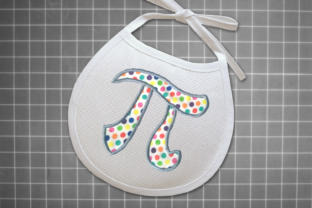
If you have ever searched for machine embroidery designs that celebrate mathematics in a genuinely charming way, you have likely come across the Math Pi Symbol Applique. This design takes the familiar π symbol and renders it in a bubble-letter applique style that is, as many stitchers put it, as cute as pie. It is a niche but delightful option for educators, math enthusiasts, crafters, and anyone who wants to add a subtle nerdy touch to fabric projects. But how does it compare with other embroidery approaches for similar themes, and when does this type of applique make the most sense for your work? Understanding the details of the Math Pi Symbol Applique can help you decide whether it fits your project needs, your machine setup, and your personal style preferences.
What Makes the Math Pi Symbol Applique Distinct
At its core, this design is an applique pattern—meaning you layer fabric shapes onto a base fabric and stitch around the edges to secure them. The Math Pi Symbol Applique features a bubble-letter style pi symbol, giving the design a rounded, friendly, and slightly whimsical appearance. This aesthetic sets it apart from more geometric or rigid representations of the pi symbol that you might find in standard embroidery fonts or vector clip art. The applique format also introduces texture and dimension that simple embroidery alone cannot achieve. You choose your own fabric for the pi shape, which means you can coordinate colors, patterns, or even use leftover scraps to create a unique look.
Another defining aspect is the file delivery. The Math Pi Symbol Applique comes in nine different embroidery formats, covering the most common machine brands and software types. It also includes four hoop sizes, giving you flexibility to stitch the design on items ranging from small accessories to larger garments or wall hangings. Everything is packaged in a single zip file, making download and organization straightforward. For stitchers who work with multiple machines or who share designs across different setups, having nine formats in one purchase eliminates the usual hassle of converting files separately.
Comparing Applique with Other Embroidery Approaches
When you evaluate the Math Pi Symbol Applique against other ways to create a pi symbol on fabric, several key differences emerge. One common alternative is a direct satin stitch or fill stitch embroidery design, where the pi symbol is stitched entirely with thread. Satin stitch designs can be very crisp and detailed, but they use a significant amount of thread and may feel less dimensional. They also lack the fabric variety that applique offers—you cannot incorporate a patterned cotton, a metallic fabric, or a soft flannel into a satin stitch design unless you use complex thread color changes.
Another option is a patch-style applique, where you stitch the design onto a separate piece of fabric and then attach it to your main project. The Math Pi Symbol Applique is a direct applique, meaning you stitch it directly onto your base item. This reduces the need for additional sewing steps and creates a more integrated look. However, if you value the ability to move a patch from one item to another, a separate patch approach may be more practical.
There is also the possibility of using iron-on transfers or heat transfer vinyl to create a pi symbol. These methods are faster and require no embroidery machine at all, but they lack the texture, durability, and handmade quality of stitched applique. For educators who want a washable, long-lasting design on a tote bag or a math teacher apron, the applique route tends to hold up better over time compared to transfers, which can peel or crack.
Strengths of the Math Pi Symbol Applique
One of the strongest selling points of this design is its cuteness. The bubble-letter style is approachable and fun, making it suitable for children's clothing, classroom projects, or math club merchandise. The applique technique adds a tactile element that plain embroidery lacks, and the ability to choose your own fabric for the pi symbol means you can match a school color, a holiday theme, or a personal favorite pattern. For example, using a bright yellow fabric with small stars for the pi symbol on a navy blue background creates a visually striking piece that stands out without being overwhelming.
The inclusion of four hoop sizes is another practical strength. A smaller hoop size works well for pockets, hats, or sleeves, while a larger hoop size can be used for the center of a quilt block, a pillow front, or a large tote bag. This range means you are not forced to resize the design manually, which can distort proportions or require trial-and-error adjustments. Having the design pre-scaled for multiple hoop dimensions saves time and reduces fabric waste.
The nine file formats also deserve mention. Most applique designs are offered in two or three common formats, but this one covers a broad spectrum, including PES, DST, EXP, JEF, and others. This is especially helpful if you have an older machine or if you occasionally stitch designs on a friend's machine with a different brand. You do not need to run the file through a converter, which sometimes alters stitch data or color order.
Tradeoffs and Limitations to Consider
No design is perfect for every situation, and the Math Pi Symbol Applique has a few tradeoffs worth weighing. Because it is an applique design, you need to have fabric for the applique piece itself, plus fusible web or temporary adhesive to hold it in place before stitching. This adds a layer of preparation that a standard embroidery design does not require. If you prefer to load a design and stitch immediately without additional fabric cutting, this design may slow you down.
The instructions indicate that steps are separated by color changes and that you should not color sort or combine colors. For multi-needle machines, you need to set the machine to stop for color changes. This is a standard requirement for applique designs, but it does require you to actively manage the process. If you are used to automated, single-pass embroidery, the stop-and-switch workflow may feel cumbersome. Single-needle machine users will find this more natural, as they already expect to change threads manually.
Another tradeoff relates to the bubble-letter style itself. While it is cute, it may not suit projects that need a more formal, academic, or minimalist look. A math professor's gift or a scholarly publication's booth banner might call for a cleaner, more geometric pi symbol. The bubble-letter applique reads as playful and informal, which is wonderful for classroom settings or casual wear but less appropriate for professional contexts.
Additionally, because the design is an applique, the edges of the pi symbol are secured with a satin stitch or a similar edging stitch. The width of that edging can vary based on your stabilizer choice and fabric thickness. If you use a very thick fabric for the applique piece, the edge stitching may not cover the raw edge completely, leading to fraying over time. Testing on scraps beforehand is advisable, especially if you plan to make multiple items.
When This Design Shines
The Math Pi Symbol Applique is an excellent choice for projects where you want the pi symbol to be a focal point with visual texture and a friendly personality. It works especially well for math teachers who want embroidered aprons, pencil cases, or laptop sleeves that spark conversations. It also suits gift items for math-loving family members—a custom pillow, a tote bag, or a hoodie with the pi symbol in their favorite color. Because the design comes in multiple hoop sizes, you can scale it to fit the item without distortion.
If you are involved in a math club or a STEM outreach program, this design can be used to create consistent branding across merchandise. By choosing the same fabric for the pi symbol across multiple items, you create a cohesive look that is still handmade and unique. The applique method also allows you to use school colors or program colors easily, without needing to find thread that matches exactly.
When You Might Prefer an Alternative
There are situations where a different embroidery approach may serve you better. If you need to produce many identical items quickly, a satin stitch design that runs without color changes will be faster. The Math Pi Symbol Applique requires fabric preparation, placement, and multiple stops for color changes, which extends production time. For a production run of 50 tote bags for a conference, a simpler embroidery file would be more efficient.
If your project involves very small items, such as a keychain or a patch for a hat brim, the smallest hoop size included may still be too large. Applique designs generally need enough fabric area to hold and stitch the applique piece securely. For very tiny applications, a direct embroidery design or a tiny iron-on label may be more practical.
Also, if you prefer an extremely clean, modern, or minimalist aesthetic, the bubble-letter style may feel too casual. In that case, you might look for a pi symbol in a script font, a geometric outline, or a simple filled shape. The Math Pi Symbol Applique occupies a specific niche between educational whimsy and handcrafted charm, which is exactly its appeal but also its boundary.
Decision Factors for Your Next Project
Before purchasing or using the Math Pi Symbol Applique, consider a few key factors. First, evaluate your machine compatibility. Check the zip file contents against your machine's accepted format list. While nine formats cover most machines, it is always wise to verify. Second, consider your comfort level with applique. If you have never done applique embroidery before, this design is a good entry point because the bubble-letter shape has smooth curves without intricate corners. Third, think about the final use. If the item will be washed frequently, choose a sturdy fabric for the applique piece and use a quality stabilizer to prevent edge fraying.
Also, consider the time you have available. Applique projects take longer than simple embroidery due to the manual steps. If you have a deadline, factor in the extra preparation and stitching time. Lastly, think about your color palette. Since you choose the fabric for the pi symbol, you have control over contrast and coordination. This is a creative advantage, but it also requires an additional decision step that some stitchers may prefer to skip.
Practical Tips for Using the Math Pi Symbol Applique
Once you decide to work with this design, a few practical steps will improve your results. Always hoop your base fabric with a stabilizer suitable for applique—tear-away or cut-away depending on the fabric. Use a lightweight fusible web to temporarily bond the applique fabric to the base before stitching. This prevents shifting and ensures clean edges. Follow the color change steps exactly as provided; the design is constructed so that each color change corresponds to a logical step in the applique process, such as placement, tack-down, and edging.
For multi-needle machines, setting the machine to stop at color changes rather than automatically transitioning is essential. This allows you to trim jump threads, check alignment, and replace any fabric piece if needed. If you skip this step and let the machine auto-change, you may end up with misplaced stitches or tangled threads.
Test the design on a scrap piece of the same fabric combination you plan to use for your final project. This reveals any tension issues, stabilizer misfits, or edge coverage problems before you commit to the actual item. Because the Math Pi Symbol Applique uses a bubble-letter shape, the curves are forgiving, but testing still saves frustration.
Choosing What Fits Your Style and Needs
The Math Pi Symbol Applique offers a unique combination of math-themed design, applique texture, and bubble-letter charm. It is not the fastest or most formal option, but for projects where personality and handmade quality matter, it is a strong contender. Whether you are creating a gift for a math teacher, stitching items for a STEM event, or simply enjoying a playful embroidery project, this design gives you control over fabric choice and size while providing broad file compatibility.
Weighing the tradeoffs between applique and direct embroidery, between production speed and creative flexibility, and between formal precision and cheerful style will guide your decision. For many stitchers, the Math Pi Symbol Applique hits a sweet spot where function meets fun. If that aligns with your project vision, it is worth adding to your digital collection.