Letter a with Grass Applique: A Practical Review of a Unique Machine Embroidery Design
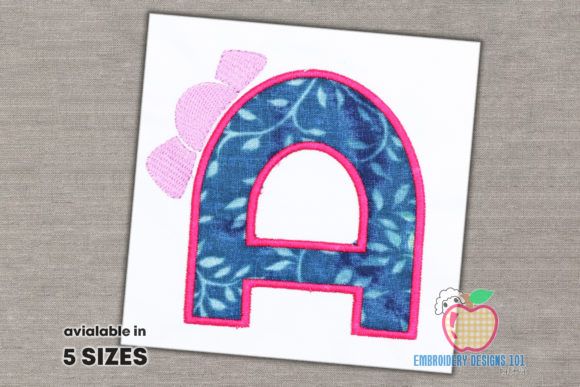
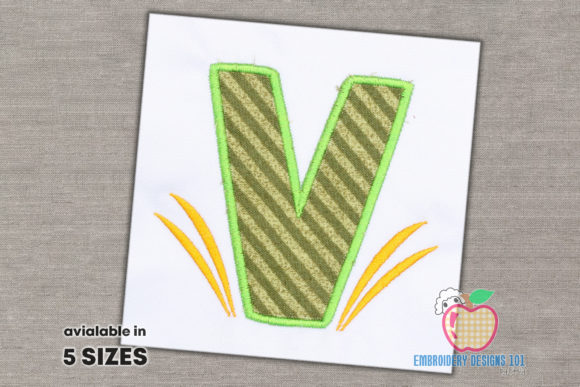
Machine embroidery offers endless creative possibilities, but designs that combine typography with natural textures stand out for their originality and versatility. The Letter a with Grass Applique design is one such option—a machine embroidery file that renders the lowercase letter "a" with a grass-like applique texture. Its uppercase counterpart, Letter A with Grass Applique, follows the same concept for the capital letter. This article provides a practical, objective evaluation of what this design offers, how it performs in real embroidery work, and who will find it most useful.
Understanding the Design: What Is Letter a with Grass Applique?
At its core, this is a machine embroidery design that combines lettering with an applique approach. The letter shape serves as the base, and the design builds up a grass-like texture using layered stitches and fabric pieces. The result is a dimensional, tactile letter that resembles a patch of grass or turf shaped into the form of an "a."
The design comes in multiple embroidery file formats, which is a key practical advantage. Formats typically include DST, PES, EXP, JEF, VP3, and others, ensuring compatibility with most home and commercial embroidery machines. Whether you use a single-needle or multi-needle machine, the design is structured to work reliably.
Key Characteristics
- Applique-based construction: The grass effect is achieved through applique, meaning fabric pieces are stitched onto the base fabric to create the texture. This reduces stitch count compared to dense fill stitching while adding real fabric dimension.
- Color change steps: The design is divided into steps separated by color changes. Each step corresponds to a specific part of the construction—base fabric placement, tack-down stitching, grass detail stitching, and finishing.
- No color sorting or combining: The design is intended to be used as-is, with color stops respected. If you use a multi-needle machine, you should set it to stop for color changes rather than trying to merge or reorder colors.
- Multiple sizes: Many versions of the design offer several size options, typically ranging from around 3 inches to 7 inches in height, allowing you to choose the scale that fits your project.
Strengths and Practical Value
The real value of this design lies in its combination of typography and texture. A standard letter applique is common, but the grass effect introduces a natural, organic feel that works well for outdoor, garden, nature, or eco-themed projects. The applique method keeps the design lightweight and flexible, avoiding the stiffness that dense satin or fill stitches can create.
Texture and Visual Impact
The grass texture is built in layers. The first layer typically involves placing a green fabric piece (like felt or cotton) within the letter outline. Subsequent layers add stitch patterns that suggest grass blades—straight stitches, zigzag variations, or decorative stitch motifs. The result reads clearly as "grass" from a distance while holding up well to close inspection. The dimensional effect is genuine, not just a visual trick, because the applique fabric lifts slightly from the background fabric.
Machine Compatibility and File Formats
One of the design's most practical strengths is its format flexibility. Because it ships with multiple file types, you can load it directly into most machines without needing conversion software. For users of software like Embrilliance or Hatch, the design also opens cleanly for previewing and resizing if needed. The stitch data is cleanly digitized, with no excessive jump stitches or trims that cause problems during sewing.
Color Change Structure
The color change steps are logically arranged. A typical sequence might include:
- Placement stitch for the base fabric (often a running stitch outline)
- Tack-down stitch to secure the base fabric
- Grass detail stitching (one or more colors for highlights and shadows)
- Optional outline or border stitching to define the letter edge
This structure makes it easy to follow, even for embroiderers who are relatively new to applique work. The design also works well with a single-needle machine because the color changes are straightforward—you simply swap thread colors and change fabric if needed.
Real-World Performance: Quality, Usability, and Consistency
To evaluate how this design performs in actual use, it helps to consider several factors that matter to embroiderers: registration accuracy, stitch quality, fabric compatibility, and final appearance.
Registration and Alignment
Applique designs depend on precise registration. The base outline must align perfectly with the tack-down and detail stitching. In the Letter a with Grass Applique design, the registration is generally reliable. The placement stitch provides a clear guide for cutting the base fabric, and the tack-down stitch secures it without shifting. Users report that hooping the stabilizer tightly and using a temporary adhesive spray further improves alignment, especially on stretchy or textured base fabrics.
Stitch Quality and Density
The grass detail stitching is where this design shines. The digitizer has used varied stitch directions and lengths to mimic natural grass, avoiding the repetitive look of a uniform fill. The stitch density is moderate, which means the design sews out relatively quickly compared to dense satin lettering. Thread breaks are uncommon, and the design handles well on most standard embroidery machines, including Brother, Janome, Pfaff, and commercial brands like Tajima or Barudan.
Fabric and Stabilizer Recommendations
For best results, use a medium-weight woven or knit fabric for the applique pieces. Felt works particularly well because it has a natural texture that enhances the grass look and doesn't fray. For the base fabric, virtually any stable material works, but consider using a cutaway stabilizer for garments and a tearaway for decor items. A water-soluble topping helps keep the grass stitches crisp, especially on textured base fabrics like towels or fleece.
Limitations and Considerations
No design is perfect for every situation, and the Letter a with Grass Applique has a few limitations worth noting.
- Scale sensitivity: At smaller sizes (below 3 inches), the grass detail can become muddy. The stitch lengths needed to suggest grass blades require a minimum size to read clearly. If you need a very small letter, this design may not be ideal.
- Color change requirements: Because the design is structured with specific color stops, you cannot simply skip steps or combine colors without losing the effect. Multi-needle users must program stops, and single-needle users must be willing to change threads several times per letter.
- Not a standalone font: This is a single letter design, not a full alphabet. If you need to spell out words, you would need to purchase multiple individual letter designs or consider a different product.
- Applique skill needed: While the design itself is well-digitized, applique work requires some manual steps—cutting fabric, positioning it, and trimming excess. Complete beginners may need to practice on scrap fabric first.
Who Benefits Most from This Design?
The Letter a with Grass Applique design serves specific use cases and audiences better than others. Here is a breakdown of who will find it most valuable.
Small Business Owners and Custom Embroiderers
If you run an embroidery business, this design gives you a product differentiator. Monogrammed items with a grass letter appeal to customers interested in gardening, landscaping, outdoor recreation, or nature themes. You can offer it on towels, tote bags, hats, and shirts. The applique construction also lets you use up fabric scraps, which is a practical cost benefit.
Educators and Classroom Projects
For teachers or workshop leaders, this design works well as a teaching project. It introduces applique techniques, color change management, and fabric handling in a manageable package. The grass theme fits lessons about nature, environment, or letter recognition for younger students.
Hobbyists and Personal Use
Serious hobbyists who enjoy creating personalized gifts will appreciate the design's unique look. A grass-letter monogram on a garden apron, a set of kitchen towels, or a child's backpack adds a thoughtful, custom touch. The design's moderate stitch count means it sews out in a reasonable time frame, making it suitable for one-off projects.
Marketers and Brand Creators
If you develop branded merchandise for a business with an outdoor or eco-conscious identity, this design can be part of a custom monogram or logo element. The grass texture communicates natural, organic, and earthy values without needing additional graphics.
Practical Recommendations for Best Results
Based on professional experience with applique embroidery, here are specific recommendations for using the Letter a with Grass Applique design effectively.
- Choose the right fabric for the grass: Felt, fleece, or a textured cotton with a green tone works best. Avoid glossy or slippery fabrics, as they shift under the needle and reduce the grass-like appearance.
- Use a sharp needle: A size 75/11 or 80/12 embroidery needle handles the applique layers well. For heavier base fabrics, a 90/14 needle may be needed.
- Test on scrap fabric first: Run the design on a test piece before stitching the final item. This confirms registration, thread tension, and fabric behavior. Adjust stabilizer or topping if needed.
- Respect the color stops: Do not attempt to reorder or combine steps. Each step serves a purpose in building the grass texture. On a multi-needle machine, program a pause at each color change.
- Consider the letter size: For most projects, a letter height between 4 and 6 inches produces the best balance of readability and detail. Smaller sizes may lose the grass effect.
Long-Term Value and Versatility
Beyond a single use, this design offers lasting value because it remains visually relevant regardless of seasonal trends. Grass and nature themes are perennial, and a well-made applique letter can be used across many projects—holiday gifts, everyday items, promotional merchandise, and decor. The design file itself is durable: once purchased, you can use it repeatedly without degradation. Properly stored, the digital file will serve you for years.
The design also pairs well with other nature-themed embroidery elements. Consider combining the grass letter with small flowers, leaves, insects, or text phrases like "Grow" or "Nature." The visual consistency of the applique texture makes it easy to build a cohesive set of designs over time.
Final Thoughts on Fit and Decision-Making
The Letter a with Grass Applique and Letter A with Grass Applique designs are not universal solutions for every embroidery need. They serve a specific niche: projects that benefit from a tactile, textured, nature-inspired letterform. If your goals align with that niche—whether for business, education, or personal creative expression—the design delivers reliable performance, good visual impact, and practical ease of use.
For embroiderers who value unique applique textures and are comfortable managing color changes and fabric application, this design is a worthwhile addition to a digital library. It earns its place not through flashy features or exaggerated claims, but through solid digitizing, clear construction steps, and a genuinely useful aesthetic that stands apart from standard letter embroidery.