Typography T-Shirt Design: A Practical Guide for Evaluation and Selection
Typography T-shirt design centers on using letterforms, words, and text arrangements as the primary visual element on apparel. Instead of relying on illustrations, photographs, or logos, the design draws attention to typefaces, spacing, layout, and the meaning conveyed by the chosen words. This approach can range from a single bold statement in a custom font to layered phrases with varying sizes and weights. For those researching apparel decoration, understanding what typography T-shirt design entails, when it works best, and when to consider alternatives is key to making informed choices.
Why Typography T-Shirt Design Appeals to Different Audiences
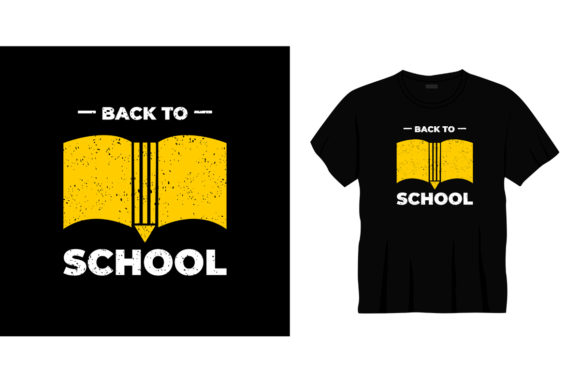
People explore typography T-shirt design for several reasons. It allows for clear messaging without the complexity of imagery. A well-chosen phrase or word set in an expressive typeface can communicate personality, humor, belief, or affiliation in a direct way. For back to school typography t-shirt design particularly, the ability to pair academic references with playful or modern lettering makes it popular for spirit wear, class shirts, or club apparel.
Another draw is the emphasis on craftsmanship in lettering. Many find satisfaction in selecting a font that matches the tone of the message—serif for tradition, sans-serif for simplicity, script for elegance, or hand-drawn for warmth. Typography T-shirt design also enables a clean, modern aesthetic that works across genders and age groups. In addition, the reliance on text means production is often simpler and more cost-effective than multi-color illustrated designs, especially for small orders.
Finally, text-based shirts have a timeless quality. While imagery can date quickly, a thoughtful typographic treatment often stays relevant longer. This longevity matters for educators, event organizers, or brands that want durable merchandise.
Benefits
- Clarity of message: Text is unambiguous, making it easy for viewers to immediately understand the intended statement or theme.
- Versatility in application: Typography T-shirt design fits casual wear, professional environments (if kept minimal), and special events like reunions or campaigns.
- Lower production complexity: Fewer colors and simpler separations can reduce screen printing costs and minimize registration issues compared to intricate illustrations.
- Scalability: Vector lettering scales cleanly for embroidery, digital print, or large-format posters without loss of quality.
- Adaptability to back to school themes: School names, mottos, graduation years, or subject-related slogans can be presented with typographic flair that appeals to students and parents.
Tradeoffs
- Dependence on legibility: If the font choice sacrifices readability, the design loses impact. Overly ornate fonts may confuse at a distance.
- Cultural sensitivity of text: Words can be misinterpreted or may carry connotations the designer didn’t intend. Unlike imagery, text leaves less to imagination.
- Less visual richness: Without supporting graphics, a purely typography T-shirt design may feel unfinished to audiences accustomed to complex illustrations.
- Limited appeal for non-English speakers: Text in a specific language narrows the audience, which could be a drawback for global or multicultural events.
- Perception of simplicity: Some buyers may view text-only shirts as low-effort, requiring careful layout and font selection to avoid that impression.
Key Considerations When Evaluating Typography T-Shirt Design
Before committing to a typography-based design, weigh the following factors:
Font Selection
Choosing the right typeface is the most significant decision. Readability across sizes is critical—what looks good on screen may appear cramped on a shirt. Pairing two fonts (e.g., a bold sans for headlines and a lighter script for subtext) adds contrast but must be done with restraint. For back to school typography t-shirt design, fonts that feel energetic yet structured (like slab serifs or rounded sans) often resonate well with students.
Layout and Hierarchy
Where the text sits on the shirt matters. Center chest is standard, but off-center, asymmetrical, or vertical placements can create modern looks. The hierarchy of information—main message, secondary phrase, possibly a year or location—guides the reader’s eye. Aligning text without proper spacing or kerning makes the design appear amateurish.
Color and Contrast
Typography T-shirt design relies heavily on contrast between the text and the fabric. Light text on dark shirts or vice versa usually works best. For back to school designs involving multiple colors, ensure that each color serves a purpose—too many can muddle the readability.
Printing Method
Screen printing suits solid, bold fonts, especially for large runs. Digital direct-to-garment (DTG) allows fine details and small text in low quantities but may have lower color vibrancy on dark shirts. Embroidery works well for simple lettering but can distort intricate fonts. Understanding these constraints helps in choosing appropriate lettering thickness and complexity.
Audience and Context
Think about who will wear the shirt and where. For a school club, playful lettering may encourage participation. For a corporate team, a clean sans-serif wordmark feels professional. In back to school typography t-shirt design, involving students in the word choice and style can improve buy-in while still benefiting from typographic rigor.
When Typography T-Shirt Design Is a Strong Fit
Typography-first designs excel in scenarios where the message itself drives the purchase. Examples include:
- School spirit wear: Simple school name or mascot in distinctive lettering communicates pride without needing a complex graphic.
- Event merchandise: Concerts, conferences, or marches often use typography to announce dates, locations, and themes clearly.
- Personal expression: Motivational quotes, inside jokes, or personal mantras work best when the text is the focus.
- Budget-conscious projects: One-color text reduces cost, making it accessible for class projects, small clubs, or fundraising.
- Modern or minimalist brands: Brands aiming for clean aesthetics often use typography T-shirt design to reinforce their identity without distracting imagery.
When Alternatives May Be Worth Considering
While typography T-shirt design is versatile, it is not always optimal. Consider alternative approaches in these situations:
- Complex storytelling: A narrative or concept that benefits from visual scenes, characters, or symbols may require illustration or mixed media.
- Low-reading enthusiasm: Younger children or audiences with limited literacy in the shirt’s language may respond better to recognizable icons or mascots.
- Brand identity with logos: If the primary goal is strengthening brand recall, a logotype plus a supporting graphic may be more memorable than text alone.
- High fashion trends: Some fashion-forward audiences expect elaborate patterns, distressed graphics, or photo-real prints, which cannot be achieved purely with lettering.
- Diverse multicultural events: A shirt that must appeal to speakers of multiple languages might benefit from a universal symbol or icon rather than text in just one language.
In each case, evaluate whether adding a minimal graphic element or switching to an illustrative style better serves the goal. Typography T-shirt design can also be combined with small graphics or icons to strike a balance—sometimes a simple emoji or geometric shape can enhance a text message without overwhelming it.
Practical Decision-Making Insights for Typography T-Shirt Design
To decide if typography T-shirt design aligns with your needs, start by clarifying the purpose of the shirt. Write down the primary message and the desired emotional response from viewers. Then test three or four font options with the actual garment color and printing method.
Consider designing a digital mockup showing the t-shirt from front and back, and share it with a sample of your target audience. For back to school typography t-shirt design, a quick survey among students can reveal whether they prefer bold block letters or a more scripted style. Also, check if any chosen words have unintended meanings in regional slang.
Remember that the best typography T-shirt design balances distinctiveness with readability. A font that is too eccentric may confuse, while one too generic may bore. Look for typefaces that have both personality and open counters (the spaces inside letters) so they remain visible when printed on fabric.
Finally, plan for the shirt to be worn repeatedly. Choose durable screen-printed or DTG inks and cotton or blend fabrics that hold the lettering well after washing. A typography T-shirt design that fades or cracks after a few washes undermines the investment.
By weighing the clarity of messaging against the need for visual ornamentation, you can decide whether a text-focused approach serves your project better than a graphic-heavy alternative. For many school, event, and personal uses, carefully crafted lettering delivers impact without excess, making it a reliable choice for those who value direct communication through apparel.