Face Mask for Baby and School Kids: A Practical Guide for Parents and Creators
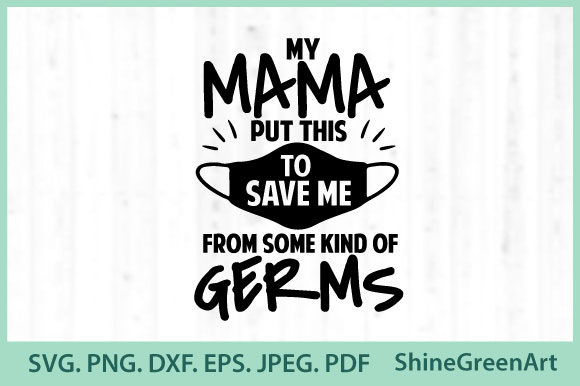
“My Mama put this mask to save me from some kind of germs.” This simple, heartfelt phrase captures the reality millions of families have lived since the pandemic reshaped daily routines. What began as a public health necessity has evolved into a new category of thoughtful, creative design—one where comfort, safety, and personality meet. For parents, educators, and makers, the question is no longer whether children need face coverings, but how to make them effective, comfortable, and even fun. That’s where a well-designed face mask for baby and school kids becomes more than just a piece of fabric—it becomes a tool for protection, expression, and peace of mind.
Whether you are a parent preparing your little one for a day at school, a hobbyist exploring new craft projects, or a small business owner looking to offer something meaningful, understanding what makes a quality child’s face mask matters. This article walks through the relevance of these masks, how they fit into modern life, the practical considerations for users and creators, and why having the right design files can make all the difference.
Why a Face Mask for Baby and School Kids Remains Relevant
Health routines have changed permanently for many families. Even as restrictions ease, parents continue to value protective measures, especially in crowded indoor spaces, during flu seasons, or when a child has a mild cold and needs to protect classmates. A face mask for baby and school kids has shifted from a temporary emergency item to a regular part of the school bag, much like a water bottle or a change of clothes.
For babies and toddlers, the stakes feel higher. Their small faces, sensitive skin, and limited ability to adjust a mask make proper fit and soft materials critical. School-age children, meanwhile, need masks that stay in place during active play and don’t irritate after long hours. The demand is no longer just for “a mask that works” but for one that fits well, looks appealing, and respects a child’s comfort.
This shift has opened the door for designers, crafters, and small businesses to create personalized, high-quality masks. A printed mask featuring a sweet line like “My Mama put this mask to save me from some kind of germs” turns a practical item into a conversation starter and a gentle reminder that safety comes from love.
How Children’s Mask Needs Have Evolved
In the early days of the pandemic, most masks for children were simply smaller versions of adult designs. Ear loops were too long, fabrics were stiff, and sizing was often guesswork. Over time, parents and makers realized that children’s masks need distinct features:
- Smaller dimensions and contoured shapes that follow a child’s face without gaping.
- Soft, breathable, hypoallergenic materials to prevent rashes and discomfort.
- Adjustable or soft ear loops that don’t dig into tender skin.
- Secure fit so the mask stays put during active movement.
- Fun, familiar designs that reduce resistance and encourage children to keep them on.
These insights have made the face mask for baby and school kids a niche product with real engineering behind it. Today, many parents look for masks that combine medical-grade filtration layers with kid-friendly aesthetics. The trend is toward masks that children actually want to wear, not just ones they are forced to.
At the same time, the rise of home cutting machines like Cricut and Silhouette has allowed creators to produce custom masks with precision. A digital design file—offered in formats like SVG, PNG, EPS, DXF, JPEG, and PDF—enables anyone with a compatible machine to cut fabric, vinyl, or cardstock with accurate dimensions. This democratization of design means a small business owner or a DIY parent can produce professional-quality masks from home.
What the Complete Design File Pack Offers
For anyone looking to create or customize a children’s mask, having a reliable vector file is essential. The design pack mentioned with this article includes everything a user needs:
- 1 SVG File – Scalable vector format, perfect for Cricut, Silhouette, and other cutting machines. It maintains crisp edges at any size.
- 1 PNG transparent, 300 dpi – High-resolution image with a clear background, ideal for print-on-demand artwork or digital mockups.
- 1 EPS – Industry-standard vector format for professional designers using Adobe Illustrator or CorelDRAW.
- 1 DXF – A format commonly used with CAD software and some cutting machines.
- 1 JPEG – Standard, widely compatible image file for quick previews or printing.
- 1 PDF – Portable document format for easy sharing, printing, or archiving.
All files are high quality, 300 dpi, and vectors where applicable, meaning they can be resized without losing clarity. This versatility is important because a single design might be used for a small baby mask, a larger school-age version, or even as an iron-on transfer for a fabric mask pocket. Having six formats eliminates friction—no matter what software or machine you use, you can jump straight to production.
Practical Implications for Parents, Creators, and Small Businesses
Understanding how to use these files opens up several real-world applications:
For Parents
If you make masks for your own children, having a precise SVG or DXF file means you can cut fabric with perfect alignment every time. No more hand-cutting around a paper template that shifts. You can produce masks that fit snugly, look professional, and stand up to repeated washing. Plus, adding a beloved phrase like “My Mama put this mask to save me from some kind of germs” turns a chore into a personal project your child will recognize and love.
For Creators and Hobbyists
If you enjoy crafting, these files allow you to experiment with different fabrics, colors, and embellishments. You can resize the design to fit various age groups, combine it with other elements, or sell finished masks at local markets or online. The transparent PNG is especially handy for creating mockups to share on social media or Etsy listings.
For Small Business Owners
Offering custom children’s masks is a sustainable niche. Parents seek out products that feel safe and personal. By using high-quality vector files, you can scale your production—cut multiple masks in one session, offer size variations, and maintain consistent quality. You can also use the quote design as a standalone decal on mask pouches, labels, or packaging. With the included EPS and AI-compatible formats, you can even tweak the design to add your logo or adjust colors to match your brand.
For Educators and Schools
Some schools still require masks for certain activities or seasons. Having a uniform, size-appropriate design that children like can help compliance. A school PTA or a parent group could produce a batch with a class motto or mascot, making the masks feel like a team item rather than a burden.
How This Fits into Modern Lifestyle and Market Trends
The market for children’s protective gear has matured. The initial panic buying is over, replaced by thoughtful purchasing. Consumers now look for items that are reusable, sustainable, and individually meaningful. A well-made mask that a child actually wants to wear reduces waste (fewer disposable masks) and contributes to a sense of normalcy.
At the same time, the “maker economy” has grown. Platforms like Etsy, Shopify, and Amazon Handmade have lowered barriers for small creators. A parent who learned to use a Cricut during lockdown might now run a side business selling masks. A designer might license their files to multiple makers. The shift from mass-produced to personalized products is a lasting trend, and children’s masks are part of it.
There is also a growing appreciation for design that communicates values. The line “My Mama put this mask to save me from some kind of germs” resonates because it acknowledges the child’s perspective—it’s not a scary command but a loving act. Masks that carry such messages help normalize protection as an act of care, not fear.
Practical Recommendations for Using the Design Files
Whether you are brand new to digital crafting or an experienced maker, here are some grounded tips for getting the most out of these files:
- Start with the SVG if you have a cutting machine. It preserves the vector path, so your cuts will be accurate. Load it into your design software, resize carefully (check the dimensions against your material), and send it to the machine.
- Use the PNG for quick mockups or print projects. Because it has a transparent background and high resolution (300 dpi), it works well for printing on transfer paper or creating social media graphics.
- Check material compatibility. Some cutting machines require a specific thickness or type of fabric. Do a test cut on a scrap piece first to ensure the blade depth and pressure are right.
- Scale appropriately for age groups. A baby face mask will need smaller dimensions than a school-age one. Most vector files can be resized proportionally—just lock the aspect ratio to avoid distortion.
- Pair with a good mask pattern. The design file is the decorative element. You still need a well-fitting mask pattern (or template) that includes pleats, a nose wire pocket, and properly spaced ear loops. Many free patterns are available online, or you can create your own.
- Consider layering. If you are using a fabric mask with a pocket for a filter, the design can be applied on the outer layer. This keeps the printed surface visible while maintaining functionality.
- Share responsibly. If you sell finished items using the design, respect any terms of use that come with the file. Some commercial licenses require attribution or restrict how the design can be used. When in doubt, message the seller.
Why This Matter Now
Children are resilient, but they also respond to what feels familiar and positive. A mask that carries a cheerful, reassuring message helps reduce anxiety. The quote “My Mama put this mask to save me from some kind of germs” is not just cute—it frames protection as an act of love. That emotional anchor matters for young children who may not understand why they have to wear a mask.
For adults, the ability to produce or purchase such a mask easily is a small but meaningful victory in a world that has grown more health-conscious. Whether you are a parent sewing in your living room, a creator listing on Etsy, or a teacher preparing a classroom kit, having reliable, flexible design files saves time and ensures quality.
The conversation around children’s masks will continue to evolve, but the core need remains unchanged: practical protection that feels good to wear. A face mask for baby and school kids designed with care—both in its physical structure and its visual message—meets that need head-on.
With the right tools, a bit of creativity, and a design that speaks from the heart, you can make something that protects a child and makes them smile. That is a combination worth investing in.