Coronavirus Prevention and Homeschooling
Teachers, parents, and school administrators have all faced an enormous challenge since the pandemic began. The push to keep children safe while ensuring learning continues has reshaped education. Now, with the possibility that classes will return to in-person instruction, a key concern remains: how to prevent contagion in classrooms. This article explores practical prevention measures, visual resources, and a hands-on awareness project that works both for distance learning and as preparation for a safe return to school. Whether you are an educator guiding third graders or high school seniors, these ideas can help your community stay healthy.
Reading Prevention Measures and Tips for Going Back to School
Before stepping back into a classroom, both students and staff need clear, actionable guidance. Prevention starts with understanding how the virus spreads and what specific actions reduce risk. The following measures, grounded in public health recommendations, form a solid foundation for any back-to-school plan.
- Hand hygiene. Frequent hand washing with soap and water for at least 20 seconds, especially after touching shared surfaces, before eating, and after coughing or sneezing. Provide hand sanitizer with at least 60% alcohol in every room.
- Mask wearing. Properly fitted masks that cover the nose and mouth reduce respiratory droplet spread. Teach students how to put on, take off, and store masks safely. Include mask breaks outdoors or in well-ventilated areas.
- Ventilation. Open windows, use air purifiers, and run HVAC systems with high-efficiency filters. Fresh air circulation dramatically lowers viral loads indoors.
- Surface cleaning. Frequent disinfection of high-touch surfaces like desks, door handles, light switches, and shared devices. Use EPA-approved disinfectants and follow contact time instructions.
- Physical distancing. Arrange desks at least three feet apart, stagger arrival and dismissal times, and use one-way hallways where possible. Limit mixing between different classroom groups.
- Health screening. Daily symptom checks and temperature scans at home or upon arrival. Encourage staying home when sick, even with mild symptoms.
- Vaccination. For eligible age groups, staying up to date with COVID-19 vaccines and boosters offers strong protection against severe illness.
When returning to school, it helps to practice these routines at home first. For homeschoolers, these same measures apply if you are joining co-ops, tutoring sessions, or extracurricular activities. A shared understanding of “why” behind each rule—not just “what” to do—builds lasting habits.
Visual and Video Resources for Prevention
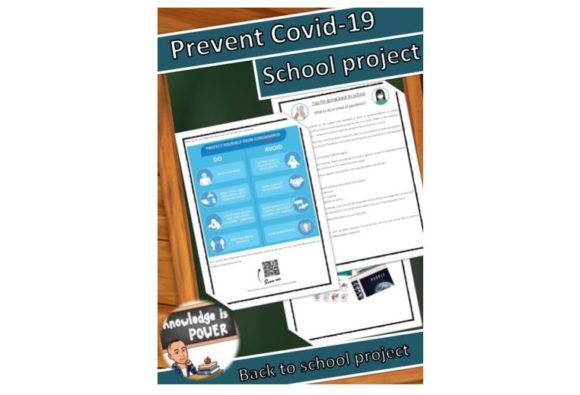
Words alone can feel abstract. Pairing text with illustrative images and a clear video helps students of all ages grasp coronavirus precautions quickly. Consider using the video Coronavirus Precautions: How to Protect Yourself and Others as a central teaching tool. It covers handwashing technique, mask etiquette, safe social interactions, and what to do if you feel unwell.
Images can reinforce the same messages: a diagram showing how soap destroys the virus’s outer layer, a visual comparison of physical distance (e.g., two arm lengths), and step-by-step posters for proper mask use. Display these in classrooms, hallways, and on shared digital platforms for distance learning.
For teachers working remotely, embed the video into a lesson slide or assignment. Follow it with a quick quiz or discussion prompt. For in-person settings, play the video during morning meeting or as part of a health unit. The combination of seeing and hearing increases retention, especially for younger learners in grades 3 through 6.
The CDC’s prevention page offers free downloadable posters and infographics that you can adapt. Using authentic public health sources builds credibility and aligns with curriculum standards.
Engaging Students with an Awareness Project
Prevention becomes more meaningful when students take ownership. Instead of only receiving information, they can create their own awareness campaign. In this project, students use their own means—posters, short videos, social media posts, skits, or handmade pamphlets—to engineer original ideas that help their school, family, and friends prevent contagion.
The structure works across grade levels. Third graders might draw a cartoon about handwashing, while tenth graders could film a public service announcement targeting teenagers who feel invincible. Twelfth graders might design a website or lead a school-wide assembly (virtual or socially distanced). The core goal is the same: apply prevention knowledge in a creative, real-world context.
Project Steps
- Research phase. Have students review the prevention measures from the reading and video. Collect questions and clarify any misconceptions.
- Brainstorm. In small groups or individually, students decide on a format and audience. Who needs to hear their message the most? Other students? Younger kids? Grandparents?
- Design and create. Using available materials—paper, markers, recording devices, editing apps—students produce their awareness piece. Encourage them to make it clear, accurate, and engaging.
- Share and reflect. Present to the class, then distribute to a wider audience. Post on a school website, share with families via email, or display in hallways. Reflect on what worked and what they would change.
This project naturally integrates skills like research, communication, empathy, and critical thinking. It also helps students feel empowered during a time when many feel powerless. By helping others, they reinforce their own healthy behaviors. For homeschoolers, the project can be adapted for a family or neighborhood circle, or submitted to a local community bulletin board.
A teacher in a mixed remote-and-in-person setting noted that students who created videos for younger siblings overwhelmingly adopted better habits themselves. The act of teaching is a powerful motivator for personal change.
Important Considerations for Teachers and Parents
No single strategy guarantees zero risk, but combining multiple layers of protection dramatically reduces transmission. Keep these points in mind:
- Flexibility is key. New variants, local case rates, and evolving guidelines will require adjustments. Build a culture where changes are communicated calmly and clearly.
- Equity matters. Not all students have access to high-quality masks, reliable internet for distance learning video resources, or materials for projects. Provide alternatives and seek support from school or community programs.
- Mental health counts. The stress of returning to school or staying home can weigh on students and adults. Include check-ins, breaks, and conversations about feelings. Combine virus prevention with emotional safety.
- Involve families. Share the prevention measures and the awareness project with parents and guardians. When families reinforce the same messages, consistency builds trust and compliance.
- Keep it age-appropriate. A third grader’s understanding differs from an eleventh grader’s. Tailor language, examples, and depth without causing fear. Focus on empowerment and community care rather than pure risk.
For educators using this resource in a distance learning context, the same three-part structure works digitally. Post the reading prevention tips on a shared document, embed the video and images into a lesson module, and have students submit their awareness projects via video or photo upload. The project can even become a virtual gallery where students comment on each other’s work.
Returning to classrooms or staying hybrid means staying vigilant but not overwhelmed. With a clear plan, visual aids, and student-led action, preventing contagion becomes a normal, integrated part of the school day. Teachers, parents, and students together can create a safer environment for learning—whether at home, in a school building, or in the many hybrid spaces we now navigate.